
About Us
Meet The Inspire Vision Team
Eye Doctors in Orangeville & Brampton
At Inspire Vision Development Centre, our experienced eye care team is dedicated to providing personalized eye care for patients in Orangeville, Brampton, and Caledon. We are committed to helping patients of all ages achieve their best vision and eye health through comprehensive eye care, vision therapy, specialty services, and advanced diagnostic technology. Our team takes the time to understand your visual needs and develop personalized solutions to help you see, learn, perform, and live at your best.

Dr. Brij Patel
Optometrist, HBMSc
Dr. Patel received his first pair of glasses when he was 9 years old, and that is when he realized how clear the world is. Since then, he has developed a keen interest in vision care, and has made it his mission to help patients see their absolute best.
Dr. Patel completed his Bachelor of Science degree with distinction at University of Western Ontario and further went to University of Waterloo to complete his Doctor of Optometry degree with distinction. Dr. Patel has completed an ocular disease externship at the prestigious Eye Centre of South Florida, in Miami, where he gained experience in diagnosing and managing ocular diseases such as diabetic retinopathy, cataracts, glaucoma, macula degeneration and dry eye syndrome. Dr. Patel completed his primary care clinic rotations in Brampton, Jamaica and Bolton in which he expanded his knowledge and expertise in vision therapy, managing ocular surface disease and specialty contact lens fitting. He has been mentored by the leading eye care professionals in North America.
During his clinical externships and training, Dr. Patel worked with patients suffering from traumatic brain injuries (concussions), learning difficulties , strabismus and amblyopia. He participated and organized several sport vision seminars and vision screenings for athletes. He played a key role in organizing the special olympics vision screenings. He has been mentored by the leading experts in Canadian vision rehabilitation.
Dr Patel has expanded and continues enhancing his clinical knowledge and expertise by taking continuing education courses particularly in vision therapy, traumatic brain injury management, syntonics and sports vision. He has attended several conferences and courses offered by the Canadian Optometrists in Vision Therapy and Rehabilitation (COVT&R),Optometric Extension Program Foundation (OEPF), International Sports Vision Association (ISVA) and College of Vision Development. Dr. Patel is currently enrolled into Powerful Vision Therapy Seminar Series by Dr. Sanet.
Along with enhancing his clinical expertise, Dr. Patel has held various leadership and volunteer roles . He was the President of the Canadian Association of Optometry Students, Vice President of the Sports vision club, and the very first Student Councillor of the Canadian Association of Optometrists. He is currently on the Science and Research committee with Vision Therapy Canada. Dr. Patel has participated in two eye care mission trips in Ecuador and Jamaica, where he provided eye care services to over 10,000 patients.
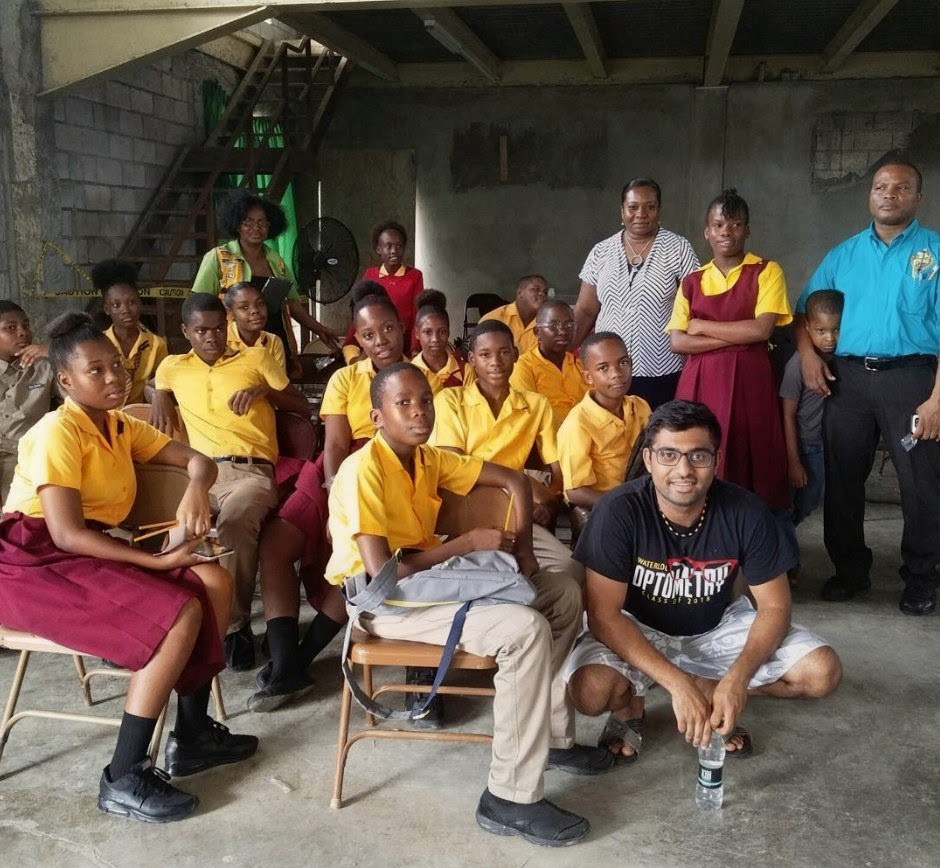
Dr Patel owns and operates three full scope private practices located in Orangeville, Brampton and Etobicoke.
Additionally, Dr. Patel continues to offer primary care and vision therapy services at Orangeville Vision Development Centre (www.ovdc.ca) (inser hyperlink) He has previously worked at Orangeville Optometric Centre and as staff optometrist at TLC Laser Eye Surgery Centre.
Dr. Patel is a member of the Canadian Association of Optometrists, Ontario Association of Optometrists, Vision Therapy Canada, International Sports Vision Association and Optometric Extension Program.
In his free time, Dr. Patel enjoys spending time with family, working out, playing sports and reading. He continues to expand his clinical knowledge and expertise by taking continuing education courses in vision therapy and ocular surface disease management.
Dr. Patel is accepting patients of all ages. He can speak English, Gujarati and Hindi.
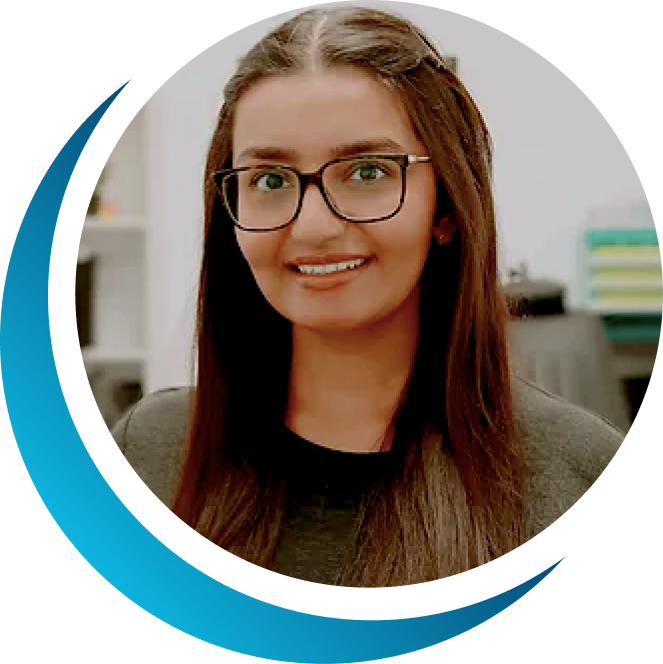
Dr. Preet Dhami
Optometrist
Dr. Preet Dhami is a residency trained optometrist who completed her Honours Bachelor of Science degree at McMaster University. She then went on to receive her Doctor of Optometry degree at the Massachusetts College of Pharmacy and Health Sciences. She completed her residency in Primary Care & Ocular Disease at the Pennsylvania College of Optometry in Philadelphia.
Dr. Dhami completed one of her externship rotations at BostonSight, a speciality contact lens clinic where she managed severe anterior segment disease and corneal conditions like keratoconus with scleral lenses. She also trained at the Veterans Affair Hospital in San Antonio where she managed acute ocular emergencies, ocular disease like glaucoma and diabetic retinopathy and managed patients with concussions and traumatic brain injuries. She has a special interest in specialty contact lenses, dry eye and ocular disease.
Dr. Dhami continues to enhance her clinical knowledge and commitment to lifelong learning by attending continuing education courses and by recently receiving her fellowship in the American Academy of Optometry. She is a member of the Canadian Association of Optometrists, Ontario Association of Optometrists and the American Academy of Optometry.
In her free time, Dr Dhami enjoys baking, reading and working out. Dr. Dhami is fluent in English, Punjabi, Hindi & Urdu.
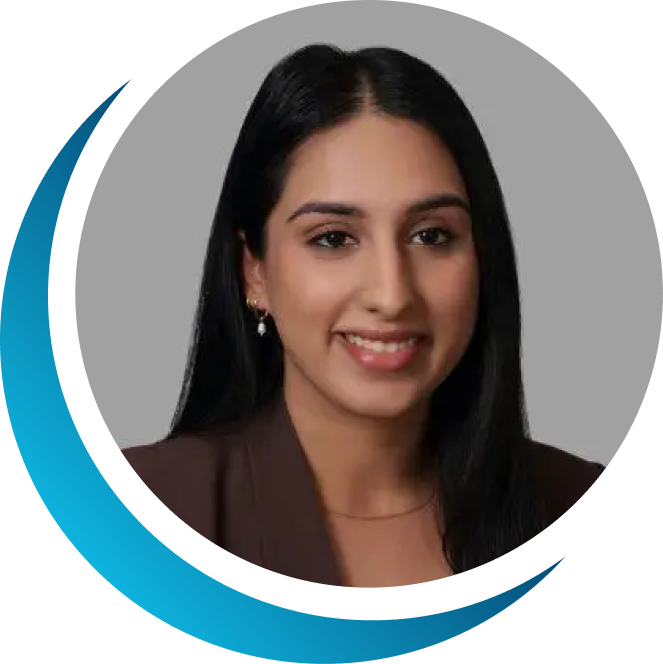
Dr. Harleen Gill
Optometrist
Dr. Harleen Gill earned her Honours Bachelor of Science degree from the University of Waterloo before completing her Doctor of Optometry degree at the Michigan College of Optometry from Ferris State University.
During her externship rotations, Dr. Gill trained at a private practice in Sarnia, where she developed a strong foundation in providing comprehensive eye care for patients of all ages. She then trained at a federal health facility in Saginaw, Michigan, gaining extensive experience in managing and treating conditions such as glaucoma, diabetic retinopathy, and amblyopia. Dr. Gill completed her externship at the Veterans Affairs Hospital in Detroit, Michigan, focusing on ocular disease management, acute ocular emergencies, and low vision assessments.
Dr. Gill has a special interest in dry eye management, ocular disease, and myopia control. She maintains a strong commitment to professional excellence by regularly engaging in continuing education and staying informed about the latest advancements in optometric care. She is an active member of both the Ontario Association of Optometrists and the American Academy of Optometry.
Passionate about community service, Dr. Gill enjoys volunteering at local events and supporting community organizations. In her free time, she enjoys playing sports, traveling, and spending quality time with family and friends. Dr. Gill is fluent in English, Punjabi, and Hindi, and is accepting new patients.
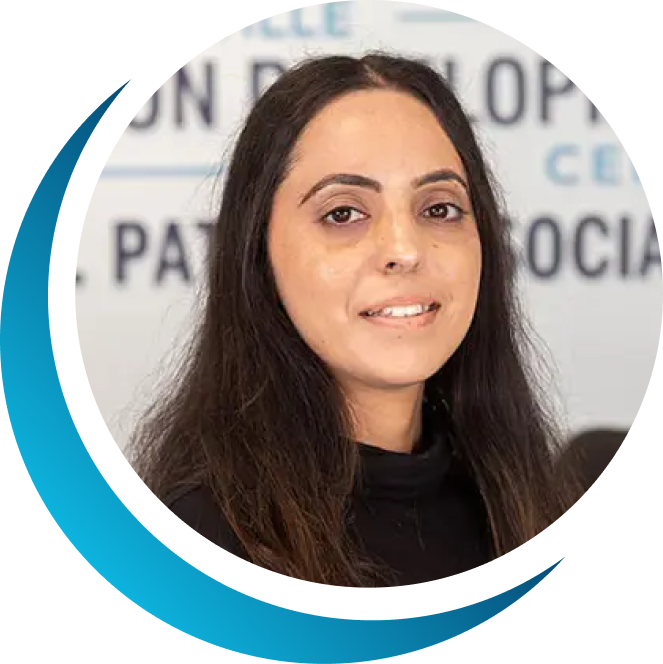
Amandeep Kaur
Clinic Manager and Vision Therapist
Amandeep is a dedicated Optometric Assistant, clinic manager, and Vision Therapist with a passion for helping patients achieve their best visual health and performance. With extensive experience of more than 7 years in both clinical settings, She works closely with optometrists to support comprehensive eye exams, perform diagnostic testing, and guide patients through personalized vision therapy programs.
Known for her compassionate approach and attention to detail, Aman is committed to improving patients’ visual comfort, coordination, and overall quality of life. Whether assisting with contact lens fittings, educating patients on eye care, or leading vision therapy sessions for conditions such as amblyopia, strabismus, or visual processing disorders, Aman brings a strong mix of clinical knowledge and patient-centered care.
Outside the clinic, Aman enjoys spending quality time with family and being outdoors—whether it's hiking, walking, or simply enjoying nature. She also stays up to date with the latest developments in optometry and vision therapy through continuing education and professional development.
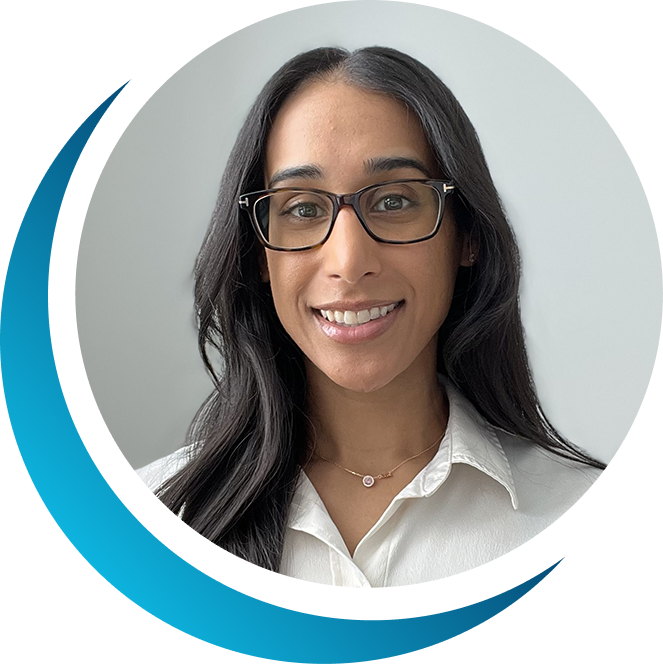
Dr. Ravneev Grewal
Bsc OD
Dr. Ravneev Grewal is a primary eye care provider offering comprehensive eye exams to patients of all ages. She completed her Honours Bachelor of Science degree at McMaster University and her Doctor of Optometry degree from the New England College of Optometry, where she graduated as a member of the Beta Sigma Kappa Optometric Honour Society.
Dr. Grewal offers comprehensive eye exams, emergency eye care services, contact lens fittings and dry eye treatments. She offers personalized treatment plans to support long-term eye health. She is able to offer eye exams in English, Punjabi, and Hindi.
She is a member of both the Ontario Association of Optometrists and the Canadian Association of Optometrists. She is an avid believer in lifelong learning and regularly participates in continuing education to stay current with the latest developments and advancements in eye care.
Dr. Grewal wants all patients to be active and knowledgeable participants in their own ocular health. She takes the time to help patients understand their vision and eye health by explaining each part of the eye exam and all findings in depth. She wants patients to feel informed and confident about their vision care.
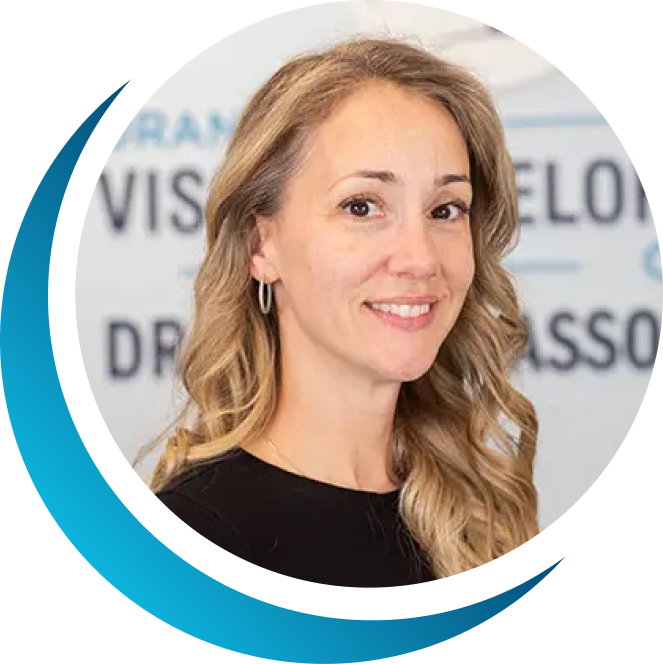
Leanne De Palma
Vision Therapist
Bio to come...
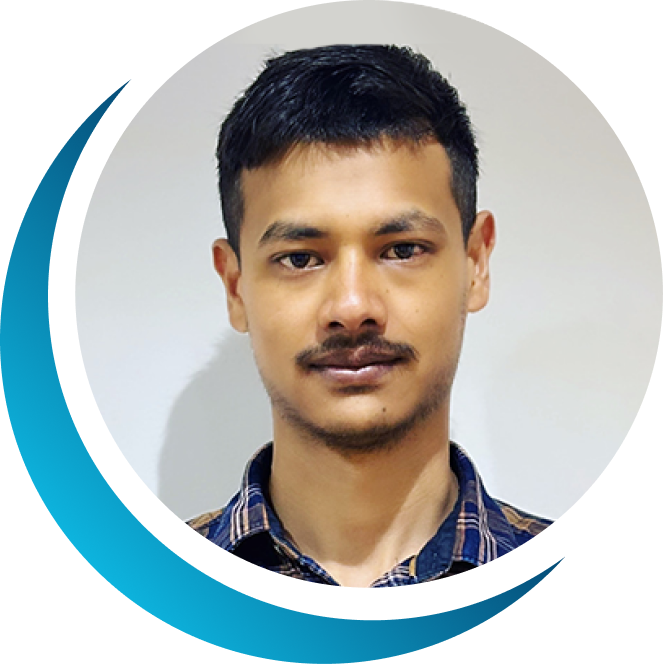
Hemanta Shrestha
Optometric Assistant
Hemanta is engaged in the world of eyecare, where he has dedicated six years to helping numerous patients.
He is specialised in pre-testing, contact lens training, frame styling and lens selection, his ultimate aim is to ensure top-notch customer satisfaction.
Outside of work, he indulges in reading novels and watching informative videos in his spare time.
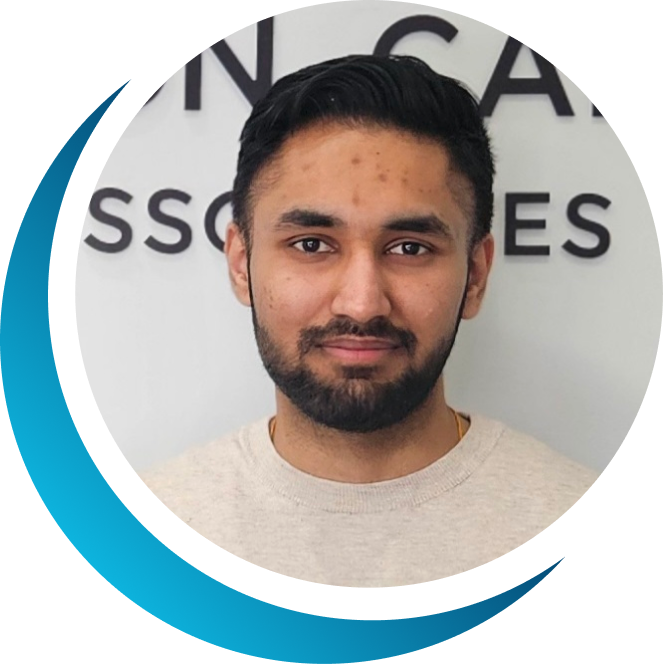
Harnoor Singh
Optometric Assistant
Harnoor Singh is a dedicated Optometric Assistant with a strong science background and a keen eye for detail. His physiology background and experience in data management and quality assurance ensure accurate information and exceptional patient care. Skilled in lab work and troubleshooting, he collaborates effectively and assists patients with eyewear selection. Harnoor is passionate about contributing to a team focused on quality eye care.
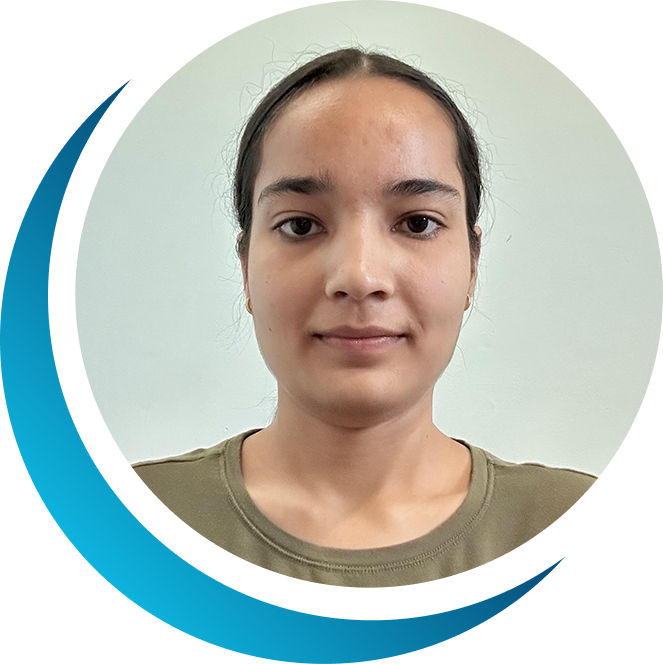
Harleen
Optometric Assistant
Passionate about eye care and customer service, I have experience in pretesting, frame styling, adjustments, and eyewear consultation. I enjoy helping patients choose the right eyewear and ensuring they have a positive and comfortable experience. I also enjoy interacting with people and contributing to a supportive healthcare environment. Outside of work, I enjoy spending time with friends and family, as well as exploring coding and technology projects.
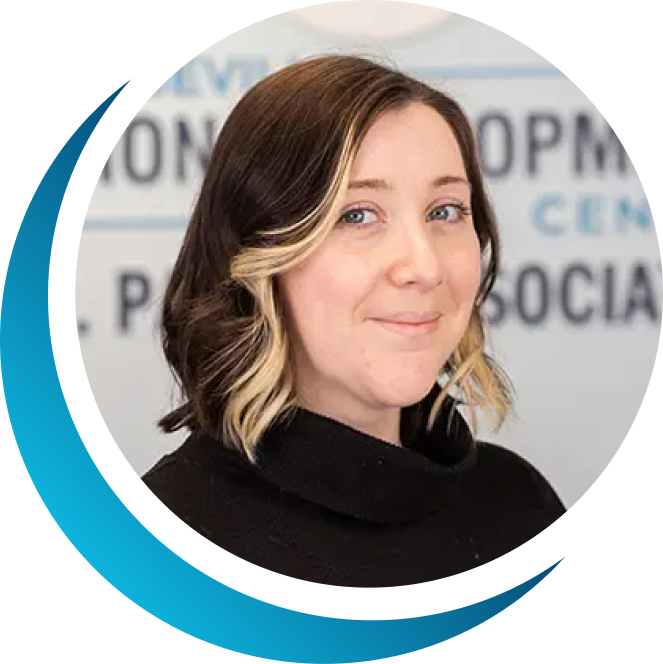
Cheryl Fischer
Optometric Assistant
Bio to come...
Our Eye Care Technology in Orangeville & Brampton
Advanced Eye Care Technology in Orangeville & Brampton
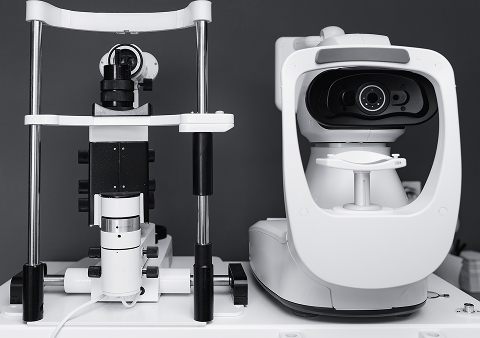
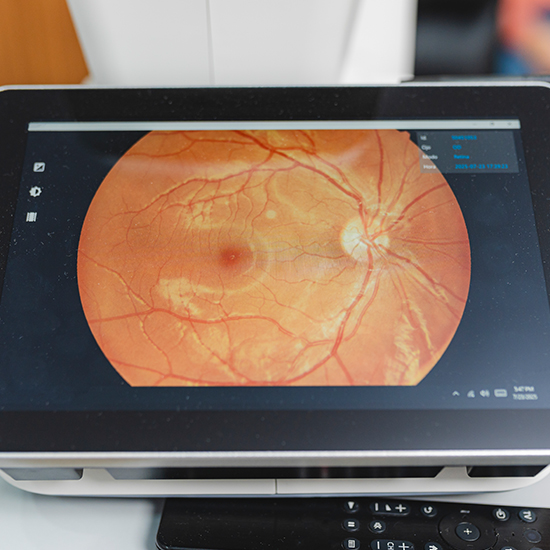
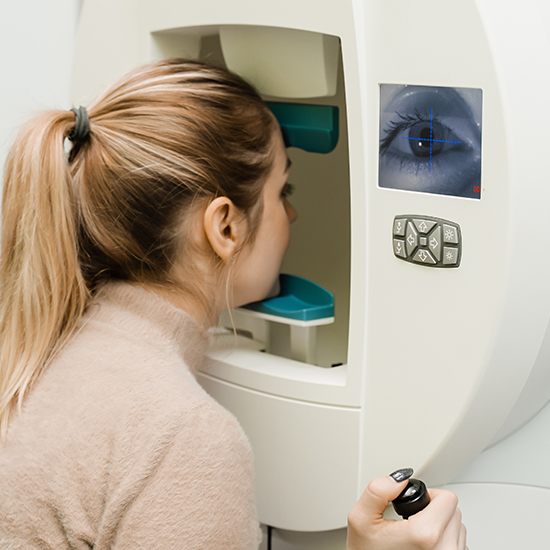
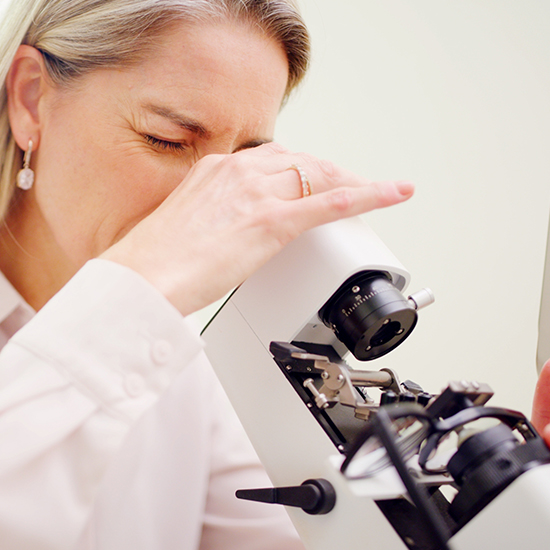
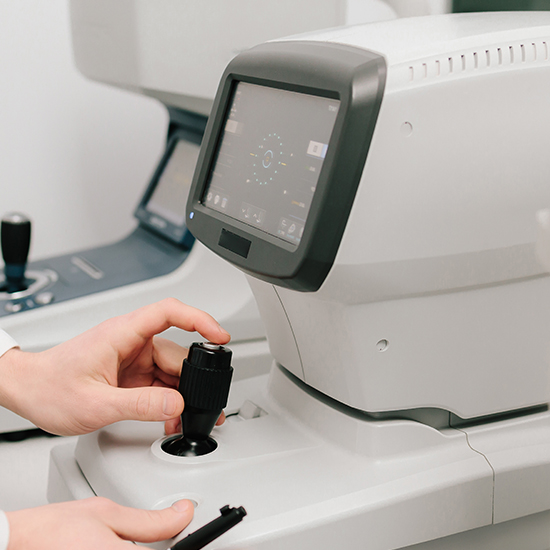
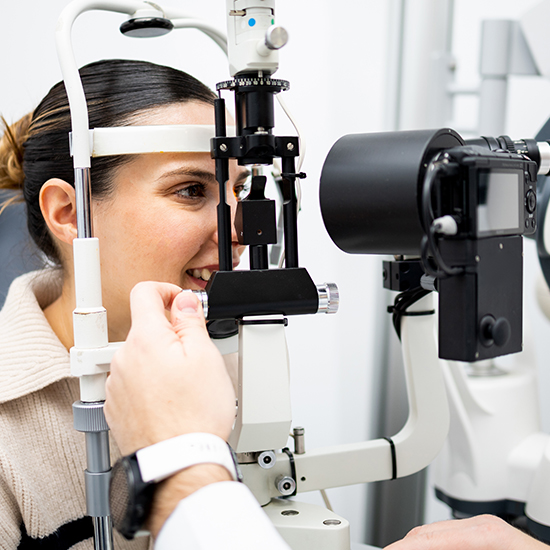
At Inspire Vision Development Centre, we use advanced eye care technology to provide accurate assessments of vision, visual function, and eye health. Our specialized diagnostic equipment helps us evaluate how the eyes and brain work together, identify visual challenges, and monitor progress throughout treatment.
Using state-of-the-art imaging and diagnostic tools, we can assess visual skills such as eye tracking, focusing, eye teaming, depth perception, and visual processing. These detailed evaluations allow us to develop personalized treatment plans tailored to each patient's unique visual needs.
How We Use Advanced Technology
Advanced technology plays an important role in allowing our team to detect vision and eye health concerns earlier, gather precise measurements, and provide customized eye treatment recommendations based on your individual needs.
From comprehensive eye exams and vision therapy assessments to specialty services, our technology supports every stage of your vision journey. It also helps us monitor treatment progress and educate patients about their eye health and visual performance.
Benefits of Advanced Eye Care Technology
Our diagnostic technology helps us:
- Detect eye conditions at earlier stages
- Measure vision and eye health more accurately
- Evaluate visual skills and eye coordination
- Monitor changes in the eyes and treatment progress over time
- Create personalized treatment plans
- Improve patient education and understanding on eye health
- Enhance the overall patient experience
Imaging and Diagnostic Tools in Orangeville & Brampton
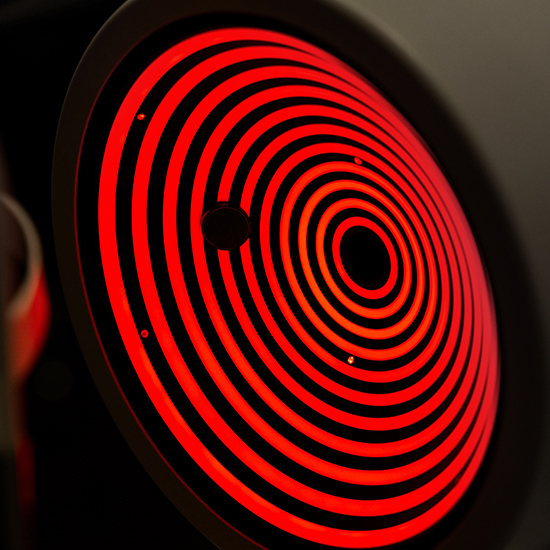
We use a variety of advanced imaging and diagnostic technologies to assess vision, eye health, and visual performance. These tools provide detailed information that helps our doctors diagnose conditions, track changes over time, and recommend the most effective treatment options.
OCT
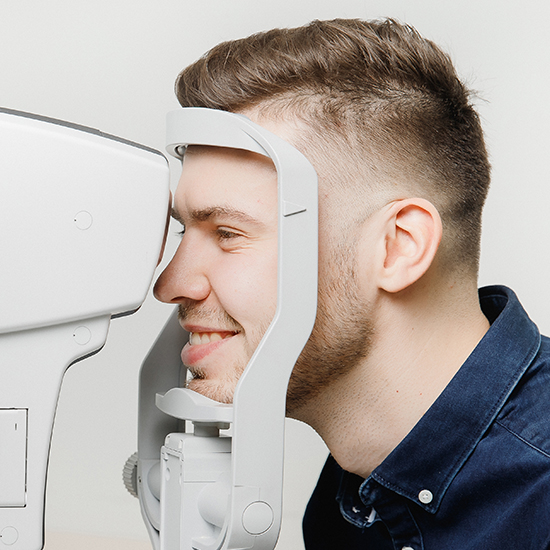
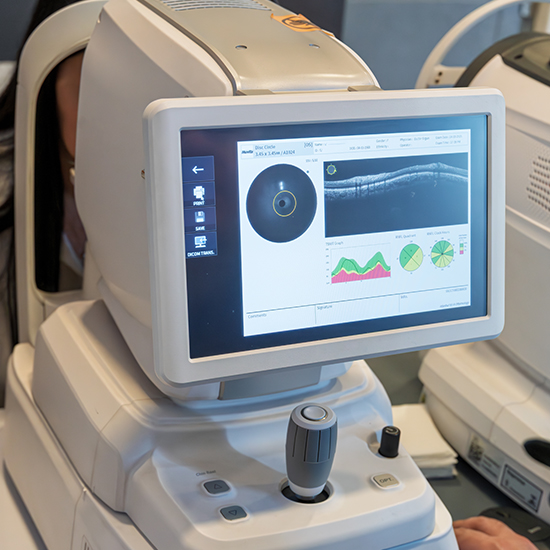
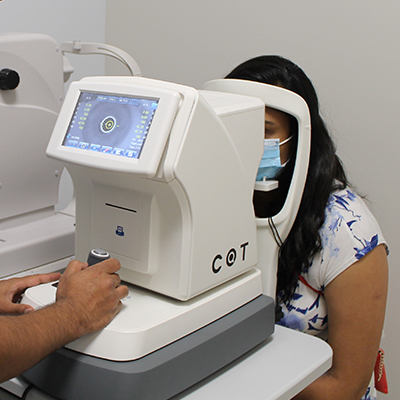
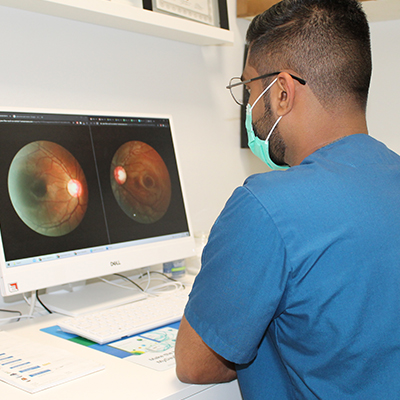
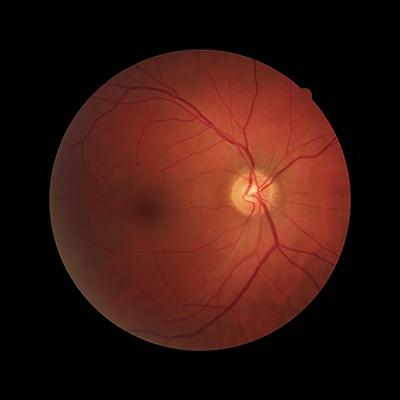
OCT (Optical Coherence Tomography) is an advanced, non-invasive imaging technology that uses light waves to create highly detailed, cross-sectional images of the retina and optic nerve. At Inspire Vision Development Centre, we use OCT to examine the deeper layers of the eye, helping us detect, diagnose, and monitor eye conditions that may not be visible during a standard eye exam. This technology is especially valuable for identifying and managing conditions such as glaucoma, macular degeneration, diabetic retinopathy, retinal swelling, and other retinal diseases. By detecting subtle changes early, OCT helps us monitor your eye health over time and provide timely treatment recommendations to help protect your vision.
Eye Treatment Technology in Orangeville & Brampton
We use a variety of advanced imaging and diagnostic technologies to assess vision, eye health, and visual performance. These tools provide detailed information that helps our doctors diagnose conditions, track changes over time, and recommend the most effective treatment options.
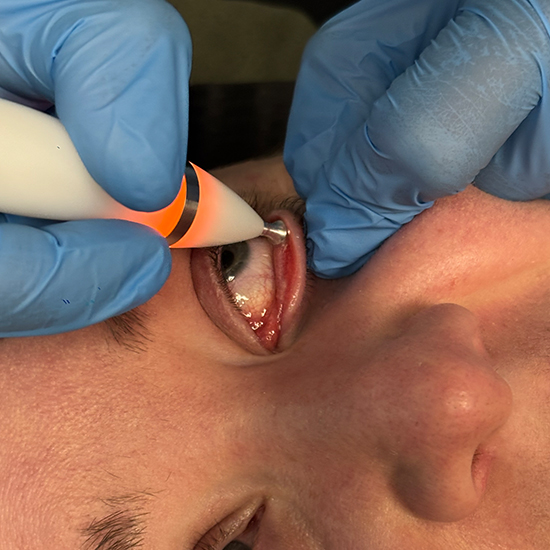
Jett Plasma
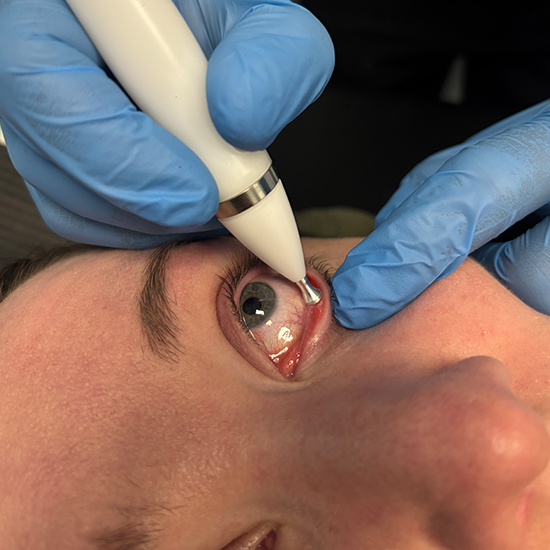
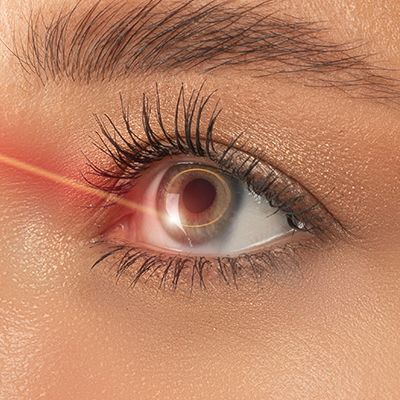
Jett Plasma is a non-invasive, pain-free treatment that uses cold atmospheric plasma technology to improve dry eye symptoms and support healthy eyelids. By reducing inflammation, bacteria, and Demodex mites while enhancing Meibomian gland function, Jett Plasma helps improve tear quality and provides long-lasting relief from dryness, burning, redness, and irritation. It is an effective option for patients who continue to experience dry eye symptoms despite traditional treatments. To learn more visit: www.jetteyes.ca
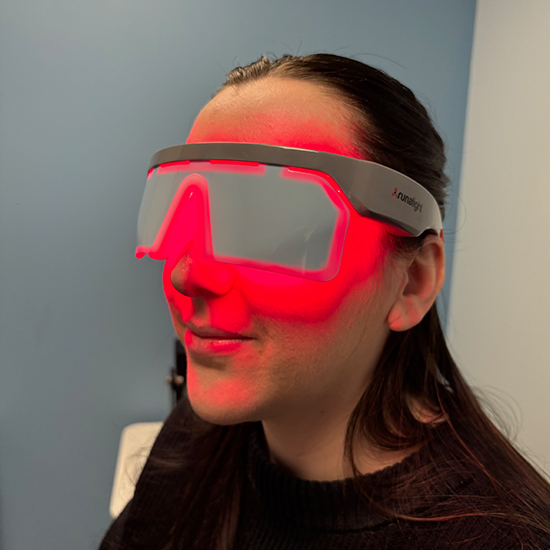
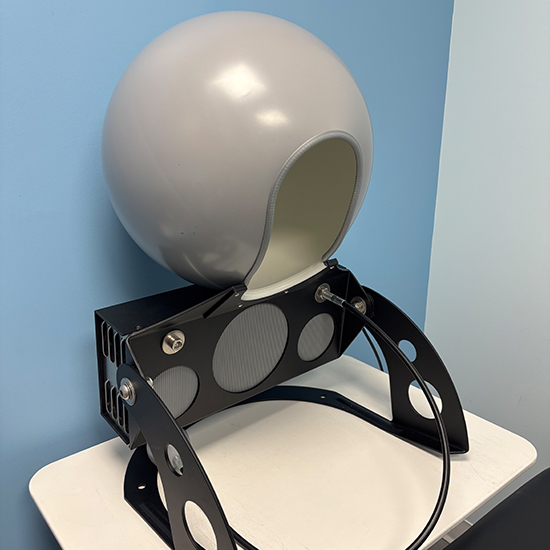
Whether you visit us for an eye exam, vision therapy, specialty services, or ongoing eye health management, our technology helps us deliver accurate diagnoses and individualized care for patients in Orangeville, Brampton, and Caledon.
Inspire Vision Development Centre FAQs
Billing & Insurance
What Does OHIP Cover?
OHIP coverage is based on age and medical need:
- Children (0–19): One comprehensive exam per year, plus follow-up appointments as needed.
- Seniors (65+): One exam every 12 months, plus additional medically necessary visits.
- Adults (20–64): Not covered unless you have specific eye or health conditions (such as diabetes, glaucoma, or retinal disease).
Do You Offer Direct Billing?
Yes, Inspire Vision Development Centre offers direct billing to most major insurance providers. Please bring your insurance information to your appointment, and our team will assist you.
What Insurance Companies Do You Accept Direct Billing?
At Inspire Vision Development Centre, we offer direct billing to most major insurance companies, including Canada Life, Manulife, Sun Life, ClaimSecure, Desjardins, iA Financial Group, Johnson, Johnston Group, BPA, Blue Cross, Chamber of Commerce Group Insurance Plan, Cowan, First Canadian, GMS, GroupHEALTH, GuardMe, GroupSource, Co-operators, Manion, Maximum Benefit, Green Shield Canada, and Accerta.
How Does MVA Insurance Coverage Work for Vision Therapy?
If your vision concerns are related to a motor vehicle accident, your assessment and treatment may be covered by Ontario automobile insurance. Our optometrist submits a proposed treatment plan to your insurance adjuster, and once approved, we schedule your assessment or treatment and work directly with your insurance company throughout your rehabilitation.
Will My Insurance Company Cover Vision Therapy After a Car Accident?
Many patients are eligible for coverage through their Ontario automobile insurance benefits if their vision problems are related to injuries sustained in a motor vehicle accident. Coverage is determined by your diagnosis, your insurance policy, and approval from your insurance company. Our team submits the necessary treatment plans and documentation on your behalf to help simplify the process.
Eye Exams & Appointments
What Is Included in a Comprehensive Eye exam
A comprehensive eye exam includes more than updating your prescription. It evaluates your vision, eye health, focusing, and eye coordination, while advanced technology such as OCT and retinal imaging helps detect conditions like glaucoma, macular degeneration, and diabetic retinopathy. If needed, your eyes may be dilated to allow a more detailed examination of the retina and optic nerve, allowing us to detect potential problems before they affect your vision.
How Long Will My Eye Exam Take
Most comprehensive eye exams take 30–45 minutes. If additional testing is needed, such as contact lens fittings, dry eye assessments, or pupil dilation, your appointment may take longer. We recommend allowing about one hour for your visit.
Why Are Dilated Eye Drops Used During An Eye Exam?
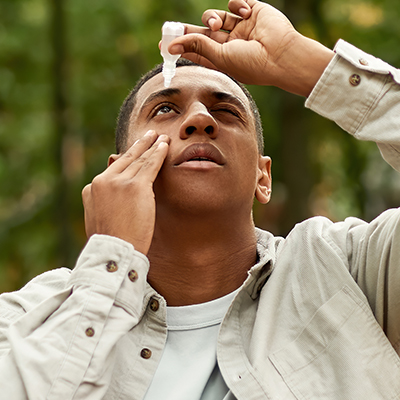
Dilating eye drops allow your optometrist to better examine the retina, optic nerve, and blood vessels to detect and monitor conditions such as glaucoma, macular degeneration, diabetic retinopathy, and retinal tears. While not needed at every visit, dilation may be recommended for a more thorough eye health assessment. Your vision may be temporarily blurry and more sensitive to light afterward, so we recommend bringing sunglasses.
Why Is Retinal Imaging and OCT Necessary?
OCT (Optical Coherence Tomography) and retinal imaging provide detailed images of the retina, optic nerve, and macula to help detect and monitor conditions such as glaucoma, macular degeneration, diabetic eye disease, and retinal abnormalities. They also provide valuable baseline images for monitoring your long term eye health.
How Often Should I Get An Eye Exam?
- Children (0-19): Annually
- Adults (20-64): Every 1-2 years, depending on your vision needs and health.
- Seniors (65+): Annually, but if you have diabetes, glaucoma, or other health conditions, we may recommend more frequent visits.
When Should Children Have Their First Eye Exam?
Children should have their first comprehensive eye exam at 6 months of age, followed by annual eye exams. Regular eye exams help detect eye conditions before symptoms develop and identify vision problems that could affect a child's learning and development.
Can I Drive After My Appointment?
Yes, patients can drive after their eye exam. However, if your eyes are dilated, you may experience temporary light sensitivity and blurred near vision for a few hours. We recommend bringing sunglasses, and if you're concerned about driving afterward, arranging for someone to take you home.
What Should I Bring To My Eye Exam?
When preparing for your eye exam, you should bring your glasses or contact lenses if you have them, your healthcard, a list of medications, and your vision insurance information.
Do I Need An Eye Exam If My Vision Is Fine?
Yes, even if your vision seems fine, many eye diseases develop without noticeable symptoms in the early stages. Regular comprehensive eye exams help detect problems early and ensure your eyes stay healthy.
Vision Therapy
What Is Vision Therapy?
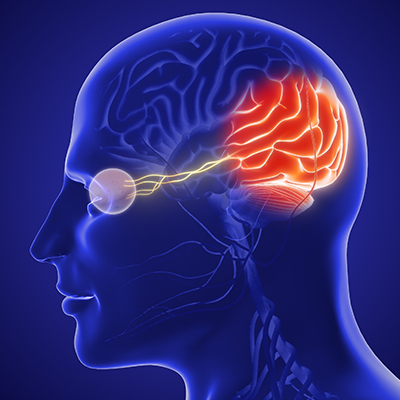
Vision therapy is like physiotherapy for your eyes and brain. It uses personalized exercises to improve eye coordination, focusing, tracking, and visual processing. It can help children and adults with vision problems that affect reading, learning, sports, work, and daily activities, even with 20/20 vision.
How Do I Know If Vision Therapy Is Right For Me?
Vision therapy may be recommended for children and adults experiencing headaches while reading, eye strain, double vision, poor concentration, learning-related vision problems, concussion, amblyopia, strabismus, or binocular vision disorders. A comprehensive visual skills assessment can determine whether a personalized vision therapy program is right for you.
Can Vision Problems Be Mistaken For ADHD?
Yes, some vision problems can cause symptoms similar to ADHD, including difficulty concentrating, headaches, eye strain, and reading challenges. A comprehensive visual skills assessment can determine whether a visual problem is contributing to these challenges.
How Long Does Vision Therapy Take?
The length of a vision therapy program depends on your diagnosis and individual needs. Most programs last 6 to 9 months and include weekly 30- to 60-minute sessions, along with personalized at-home activities to reinforce progress between visits.
What Age Is Best To Start Vision Therapy?
Vision therapy can benefit both children and adults. While early intervention is ideal, treatment can be effective at any age. The best time to begin is as soon as a vision problem is identified through a comprehensive visual skills assessment.
How Can Sports Vision Training Improve Athletic Performance?
Sports vision training helps athletes improve reaction time, eye tracking, hand-eye coordination, depth perception, peripheral awareness, and visual processing, allowing them to perform with greater speed, accuracy, and confidence.
Do I Need a Referral for an MVA Assessment
No, you do not need a referral to book a post-concussion or motor vehicle accident assessment. While referrals from physicians and other healthcare professionals are welcome, they are not required. You can contact our Orangeville or Brampton clinic directly to begin the process.
Contact Lenses
What Happens During A Contact Lense Exam And Fitting?
A contact lens exam and fitting includes evaluating your eye health, measuring your eyes, assessing your tear film, and determining the best contact lenses for your vision and lifestyle. Trial lenses may be fitted to ensure comfort and clear vision, and you'll receive instruction on proper insertion, removal, and lens care.
Are Daily Contact Lenses Better Than Monthly Lenses?
It depends on your eyes, lifestyle, and vision needs. Daily disposable lenses offer the convenience of a fresh pair each day and require no cleaning, while monthly lenses are designed for repeated use with proper care. Your optometrist will recommend the best option based on your eye health and daily routine.
Can I Wear Contact Lenses If I Have Dry Eyes?
Yes, many people with dry eyes can still wear contact lenses. Our optometrists may recommend specialty lenses such as scleral lenses, which create a fluid-filled cushion over the eye to improve comfort and keep the eyes hydrated. Treating the underlying dry eye condition can also improve comfort.
Who Can Benefit From Scleral Lenses?
Scleral Lenses may be helpful for people with keratoconus, irregular corneas, severe dry eye, post-surgical corneas, or those who have difficulty achieving comfortable, clear vision with traditional contact lenses.
Where Can I Get Fitted for Scleral Lenses?
At Inspire Vision Development Centre, you can receive a specialty contact lens assessment and customized scleral lens fitting in Orangeville or Brampton for your unique eyes.
What are Ortho-K Lenses?
Ortho-K lenses are specialty contact lenses that are designed to be worn overnight to gently reshape the cornea, providing clearer vision during the day without glasses or daytime contacts.
Where Can I Get Fitted for Ortho-K lenses?
Inspire Vision Development Centre offers Ortho-K fittings in Orangeville and Brampton, where our optometrists can determine if Ortho-K is right for you or your child.
Glasses & Prescription
How Often Should I Update My Glasses Prescription?
Most people should have their prescription checked every one to two years, or as recommended by their optometrist. If you notice blurry vision, headaches, eye strain, or difficulty seeing clearly, it may be time for an updated prescription.
What Are Progressive Lenses?
Progressive lenses are multifocal lenses that provide a seamless transition between distance, intermediate, and near vision without visible lines. They allow you to see clearly at multiple distances while wearing a single pair of glasses, making them a convenient optio
Can I Buy Contact Lenses From You If I’m Not A Patient?
Yes, you can buy contact lenses through our clinic. We'll just need a valid contact lens prescription. If your prescription has expired, we will gladly schedule an eye exam and fitting for you.
Why Do You Recommend Buying Glasses After My Eye Exam?
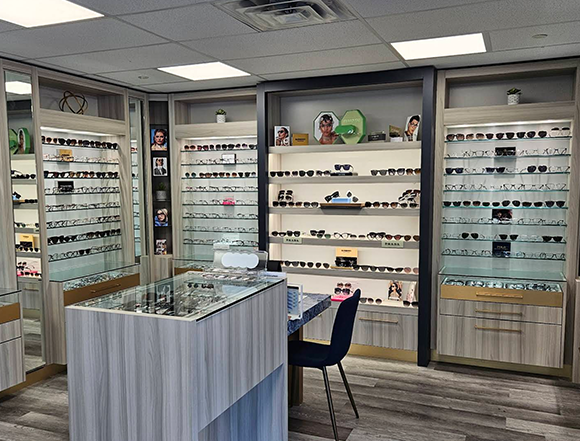
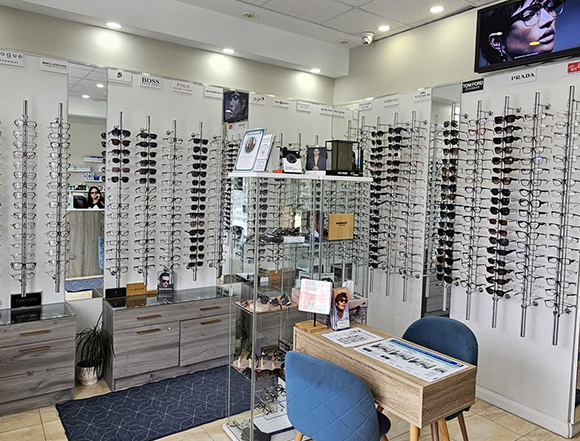
After your eye exam, we recommend purchasing your glasses through our clinic to ensure the highest level of accuracy, quality, and comfort. Our team carefully verifies every prescription, customizes your lenses to your visual needs, and ensures your frames fit properly. We also offer a wide selection of quality eyewear from trusted brands, including Ray-Ban, Prada, MODO, Kate Spade, Vogue, and many more.
Myopia Control
What is Myopia Control?
Myopia control uses specialized treatments to help slow the progression of nearsightedness, particularly in children as their eyes grow.
Why is it Important to Slow Myopia Progression?
Higher levels of myopia can increase the risk of developing eye conditions later in life, including retinal problems, glaucoma, and cataracts. Managing myopia early can help slow its progression, reduce these future risks, and protect your child’s long-term eye health and vision.
Where Can I Get Myopia Control Treatment?
Inspire Vision Development Centre offers personalized myopia control in Orangeville and Brampton, where our optometrists can assess your child’s vision and recommend the best treatment options.
Can Ortho-K Help With Myopia Control?
Yes, Ortho-K can be used as a myopia management option for children to help slow the progression of nearsightedness while also providing clear daytime vision.
Dry Eye
What Are Common Symptoms of Dry Eye Disease?
Symptoms of Dry Eye Disease can include burning, irritation, redness, watery eyes, blurry vision, light sensitivity, or a gritty feeling in the eyes.
What Treatments are Available for Dry Eye?
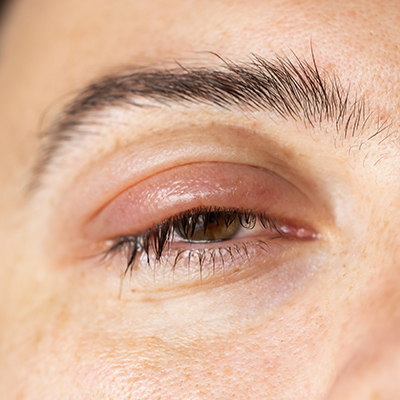
Treatments for Dry Eye depends on the cause and severity of symptoms. Options may include eye drops, at-home care, and in-office treatments such as Jett Plasma and ArunaLight red light therapy.
Where Can I Get Dry Eye Treatment?
At Inspire Vision Development Centre in Orangeville or Brampton, you can receive a comprehensive dry eye assessment and personalized treatment plan to help improve your eye comfort.
Service We Offer















































What Our Patients Say


© 2026 Inspire Vision Development Centre. All Rights Reserved. Accessibility Statement - Privacy Policy - Sitemap
