
Cataracts
What is Cataracts?
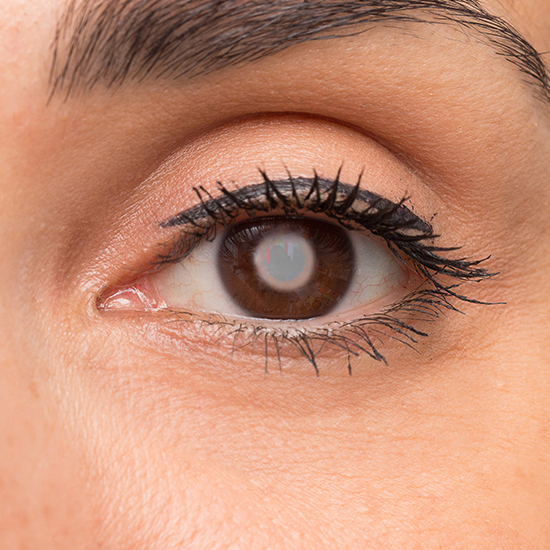
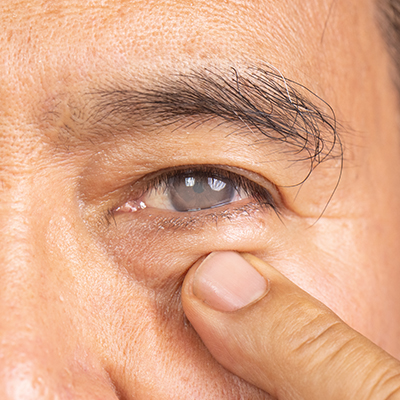
A cataract occurs when the natural lens inside the eye becomes cloudy, causing vision to appear blurry, hazy, or dim. The lens is normally clear and helps focus light onto the retina, but as cataracts develop, the clouding interferes with how light passes through the eye.
Cataracts are most commonly related to aging, but they can also develop from injury, medical conditions, medications, or be present at birth. Cataracts usually develop slowly over time and are one of the leading causes of vision changes in adults.
Types of Cataracts
Age-Related Cataracts (Most Common)
Develop gradually as part of the natural aging process.
Symptoms Include: Blurred or cloudy vision, glare or halos around lights, difficulty driving at night, faded colours, frequent prescription changes.
Nuclear Cataracts
Develop in the center (nucleus) of the lens and are commonly associated with aging.
May initially cause temporary improvement in near vision before vision worsens over time.
Cortical Cataracts
Develop around the outer edges of the lens and slowly move inward.
Symptoms Include: Glare sensitivity, difficulty with contrast, problems with night vision.
Posterior Subcapsular Cataracts
Develop at the back surface of the lens and may progress more quickly.
Symptoms Include: Difficulty reading, glare around lights, reduced vision in bright lighting, worsening night vision.
Posterior Subcapsular Cataracts
Develop at the back surface of the lens and may progress more quickly.
Symptoms Include: Difficulty reading, glare around lights, reduced vision in bright lighting, worsening night vision.
Congenital Cataracts
Cataracts present at birth or develop during childhood.
May affect visual development if not treated early.
What Are The Risk Factors For Cataracts?
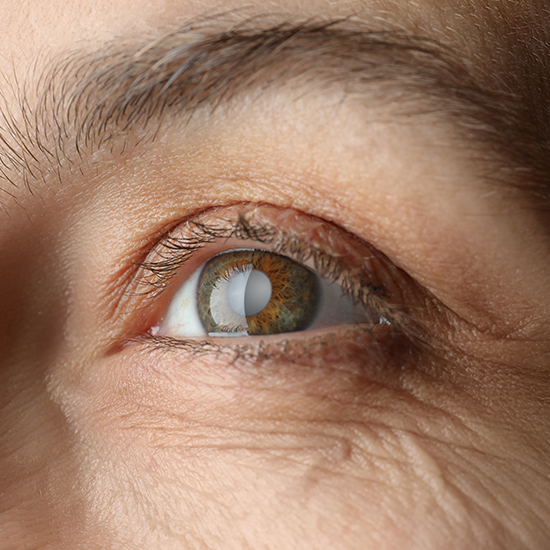
- Increasing age
- Excessive UV exposure
- Long-term stereoid use
- Smoking
- Diabetes
- Eye injuries or previous eye surgery
- Family history of Cataracts
How Can You Treat Cataracts?
Updated Eyeglass Prescription: In early stages, vision may improve temporarily with updated glasses or brighter lighting.
UV Protection: Wearing sunglasses with proper UV protection may help slow cataract progression.
Cataract Surgery: The most effective and most common treatment for cataracts is surgery, where the cloudy natural lens is removed and replaced with a clear artificial intraocular lens (IOL).
Intraocular Lens (IOL) Options: Different lens implant options may help improve distance vision, reading vision, astigmatism, or reduce dependence on glasses after surgery.
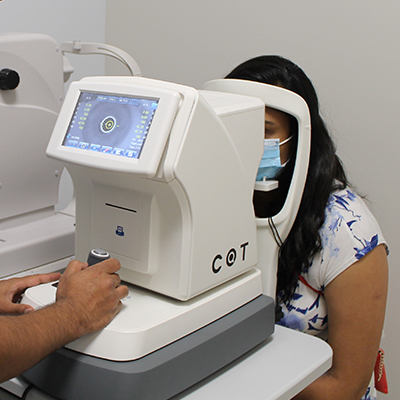
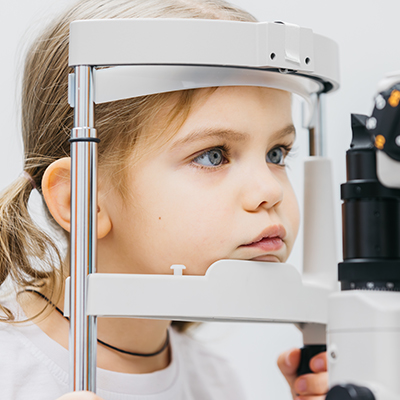
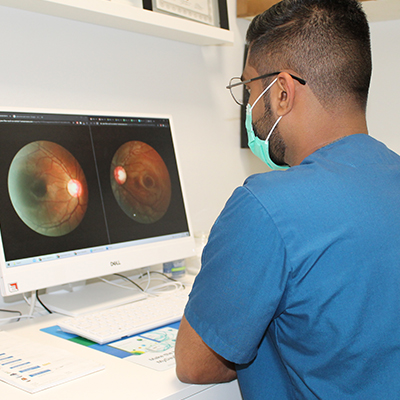
At our clinic, we perform comprehensive cataracts evaluations using advanced diagnostic technology to monitor eye health and protect our patients’ vision long-term.

Schedule a Health Evaluation Today
Regular eye exams are one of the most important steps you can take to protect your long-term vision.
Book an appointment at our Orangeville or Brampton locations to learn more about eye disease prevention, early detection, and ongoing management.
Service We Offer
















































What Our Patients Say


© 2026 Inspire Vision Development Centre. All Rights Reserved. Accessibility Statement - Privacy Policy - Sitemap
