
Glaucoma

What is Glaucoma?
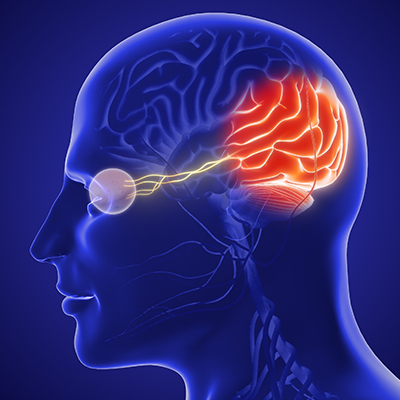
Glaucoma is a group of eye diseases that damage the optic nerve, which sends visual information from the eyes to the brain. This damage is often caused by increased pressure inside the eye (intraocular pressure), although it can also occur with normal eye pressure. Glaucoma is one of the leading causes of permanent vision loss because it often develops slowly without noticeable symptoms in the early stages.
Types of Glaucoma
Open-Angle Glaucoma (Most Common)
- When the eye’s drainage system slowly becomes less efficient over time, causing pressure inside the eye to increase gradually.
- Commonly develops without pain or early warning signs.
- Symptoms: Gradual loss of peripheral (side) vision, difficulty seeing in dim lighting, tunnel vision in advanced stages.
Angle-Closure Glaucoma
- When the drainage angle inside the eye becomes blocked suddenly, causing a rapid increase in eye pressure.
- Symptoms: severe eye pain, redness, blurred vision, halos around lights, headaches, nausea and vomiting.
Normal-Tension Glaucoma
- When optic nerve damage develops despite eye pressures being within the normal range
- Reduced blood flow to the optic nerve may play a role.
Secondary Glaucoma
- Occurs as a result of another condition, injury, medication, or inflammation.
- Common causes: Eye trauma, diabetes, long-term steroid use, eye inflammation
Congenital Glaucoma
- A rare type of glaucoma present at birth caused by abnormal development of the eye’s drainage system.
- Symptoms: excessive tearing, sensitivity to light, cloudy corneas, enlarged eyes
Glaucoma Treatments Include:
- Prescription Eye Drops: Often the first treatment option used to reduce eye pressure by either decreasing fluid production or improving drainage from the eye.
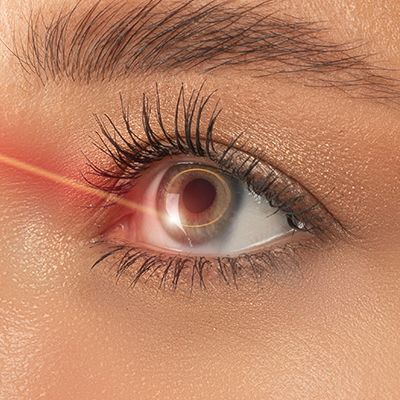
- Laser Treatments: Helps improve the eye’s drainage system and lower intraocular pressure such as Selective Laser Trabeculoplasty (SLT) or Laser Peripheral Iridotomy (LPI).
- Oral Medications: May be prescribed to help reduce eye pressure.
- Surgical Procedures: If medications or lasers are not effective enough, surgery may be recommended to create better drainage and control eye pressure. These include Trabeculectomy, MIGS (Minimally Invasive Glaucoma Surgery), or Drainage implants.
Importance of Early Actions for Glaucoma
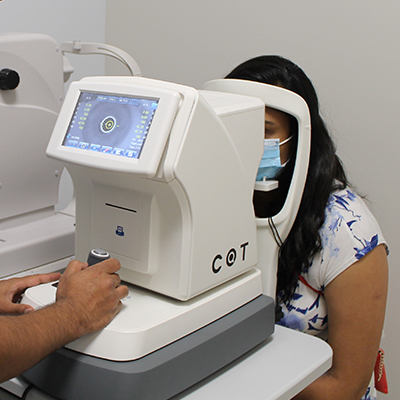
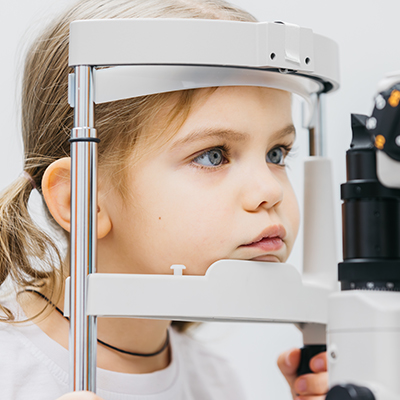
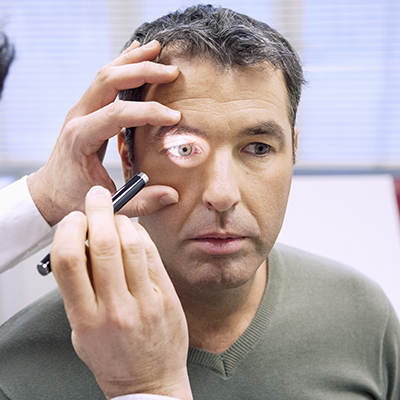
Glaucoma often develops without noticeable symptoms until significant vision loss has already occurred. Routine comprehensive eye examinations allow our doctors to detect glaucoma early using advanced technology and testing.
Testing May Include:
- Eye pressure measurements
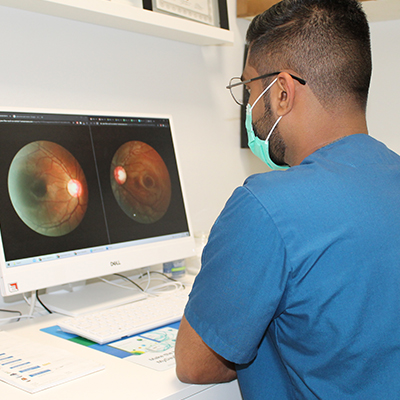
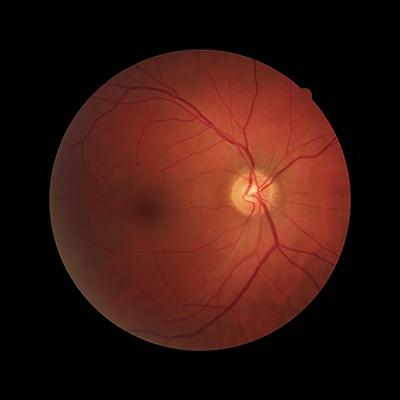
- Optic nerve imaging
- Visual field testing
- Corneal thickness measurements
- Retinal imaging
At our clinic, we perform comprehensive glaucoma evaluations using advanced diagnostic technology to monitor eye health and protect our patients’ vision long-term.

Schedule a Health Evaluation Today
Regular eye exams are one of the most important steps you can take to protect your long-term vision.
Book an appointment at our Orangeville or Brampton locations to learn more about eye disease prevention, early detection, and ongoing management.
Service We Offer

















































What Our Patients Say


© 2026 Inspire Vision Development Centre. All Rights Reserved. Accessibility Statement - Privacy Policy - Sitemap
