
Amblyopia & Strabismus

Vision Therapy for Amblyopia and Strabismus
Helping Eyes Work Together More Effectively
Amblyopia and strabismus are common vision conditions that can affect visual development, depth perception, eye coordination, and overall visual performance. At Inspire Vision Development Centre, we provide personalized vision therapy programs for children and adults living in Orangeville, Brampton, Caledon, and surrounding communities.
Through comprehensive visual skills assessments and customized vision treatment plans, our goal is to help patients develop stronger visual skills and improve how their eyes and brain work together.

What's The Difference Between Amblyopia and Strabismus?
Amblyopia
Amblyopia occurs when one eye develops weaker vision than the other, so the brain begins to rely more on the stronger eye and may suppress information from the weaker eye.
Common signs include:
- Reduced vision in one eye
- Poor depth perception
- Difficulty with eye-hand coordination
- Squinting or closing one eye
Strabismus
Strabismus occurs when the eyes are not properly aligned and do not work together as a team. One eye may turn inward, outward, upward, or downward.
Common signs include:
- Visible eye turn
- Double vision
- Poor depth perception
- Head tilting or turning
- Eye strain

How Can Vision Therapy Help Amblyopia and Strabismus?
Vision therapy focuses on improving the communication between the eyes and brain.
Treatment is customized for each patient and may help improve:
- Eye teaming
- Binocular vision
- Eye alignment control
- Depth perception
- Visual processing
- Eye coordination
- Visual comfort
Our vision therapy programs are designed to strengthen visual skills and help patients use both eyes together more effectively.

Book Your Visual Skills Assessment in Orangeville & Brampton
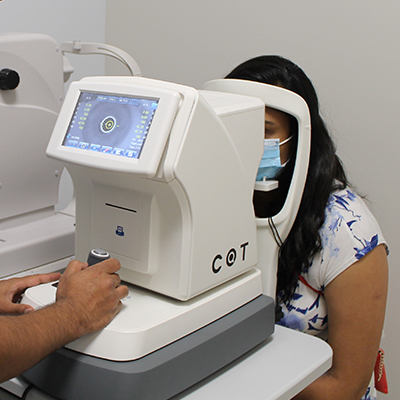
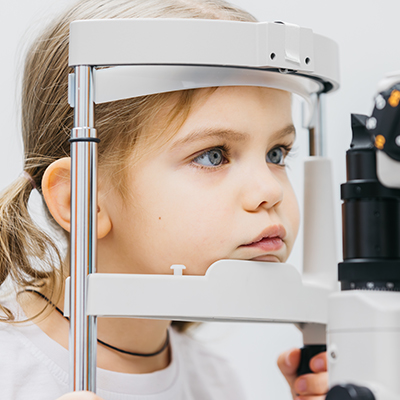
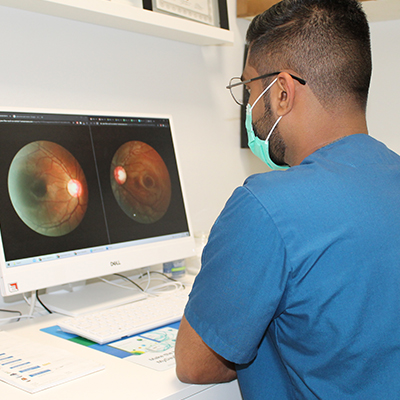
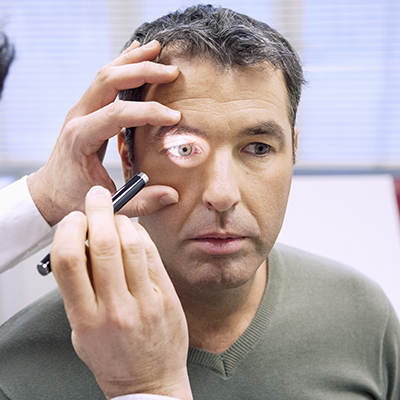
If you are looking for vision therapy in Orangeville or Brampton, the first step is scheduling a comprehensive visual skills assessment.
Our eye care team will identify any underlying visual challenges and determine whether a personalized vision therapy program may benefit you or your child.
Contact Inspire Vision Development Centre today to schedule a visual skills assessment and take the first step toward stronger visual skills, improved performance, and greater confidence.
Service We Offer





















































What Our Patients Say


© 2026 Inspire Vision Development Centre. All Rights Reserved. Accessibility Statement - Privacy Policy - Sitemap
