
Do Blue Light Glasses Actually Work?

With so many hours spent on phones, computers, tablets, and other digital devices, it's no surprise that many people experience tired, dry, or uncomfortable eyes. Blue light glasses have become a popular solution, but do they actually work?
The answer may not be as straightforward as you think.
Understanding Blue Light
Blue light is a natural part of the visible light spectrum and is found all around us. In fact, the sun is by far the largest source of blue light exposure. While digital devices do emit blue light, the amount is significantly lower than what we receive from natural daylight.
Blue light itself is not inherently harmful. During the day, it helps regulate alertness, mood, and our natural sleep-wake cycle.
What Blue Light Glasses Are Designed To Do
Blue light glasses contain lenses that filter a portion of blue light emitted from screens and artificial lighting. They are often marketed as a way to reduce digital eye strain, improve comfort during screen use, and support better sleep.
While these claims sound appealing, current research suggests that blue light may not be the primary cause of the symptoms many people experience after extended screen time.
Are Blue Light Glasses Effective For Eye Strain?
Digital eye strain is typically caused by how we use our devices rather than the blue light they emit.
When using screens, we tend to:
Blink less frequently
Focus at a close distance for long periods
Maintain poor posture
Spend extended periods without visual breaks
These habits can lead to symptoms such as:
Dry or irritated eyes
Blurred vision
Headaches
Eye fatigue
Neck and shoulder discomfort
Blue light lenses do not address these underlying causes, which is why many studies have found little difference between blue light lenses and regular clear lenses when it comes to relieving digital eye strain.
What About Sleep?
One area where blue light may play a role is sleep quality. Exposure to bright light in the evening can affect the body's production of melatonin, the hormone that helps regulate sleep.
However, reducing screen brightness, using night mode settings, and limiting screen use before bed may provide similar benefits.
What Actually Helps Reduce Digital Eye Strain?
If your eyes feel tired after long periods of screen use, there are several strategies that may be more effective than blue light glasses.
The 20-20-20 Rule
Every 20 minutes, look at something at least 20 feet away for 20 seconds. This gives your eye muscles a chance to relax and reduces focusing fatigue.
Remember To Blink
Blinking helps keep the eyes moist and comfortable. During screen use, our blink rate often decreases significantly, leading to dryness and irritation.
Adjust Your Screen Setup
Position your screen approximately an arm's length away and ensure the brightness matches your environment.
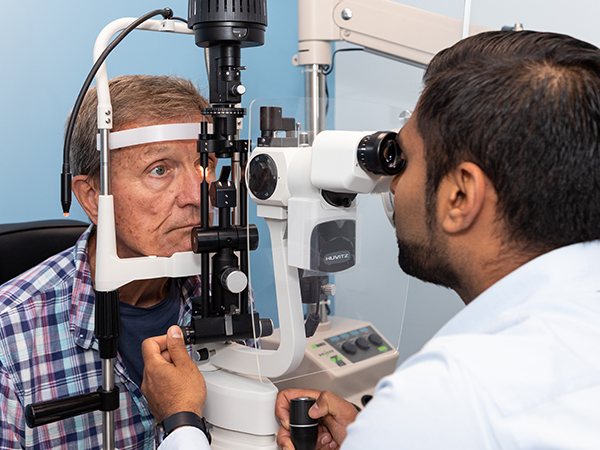
Schedule Regular Eye Exams
Sometimes eye strain can be caused by an outdated prescription, uncorrected vision problems, or underlying dry eye disease. A comprehensive eye exam can help identify and address these issues.
When Should You See An Optometrist?
If you regularly experience headaches, blurry vision, eye fatigue, or dry eyes while using digital devices, it may be time to schedule an eye exam.
At Inspire Vision Care, we evaluate your visual needs, assess for dry eye disease, update prescriptions, and recommend personalized solutions to improve comfort in Orangeville and Brampton.
Contact our Orangeville or Brampton location today to schedule a comprehensive eye exam and learn more about protecting your vision in today's digital world.


© 2026 Inspire Vision Development Centre. All Rights Reserved. Accessibility Statement - Privacy Policy - Sitemap
