
Myopia: What It Is, Symptoms & Myopia Management in Brampton & Orangeville
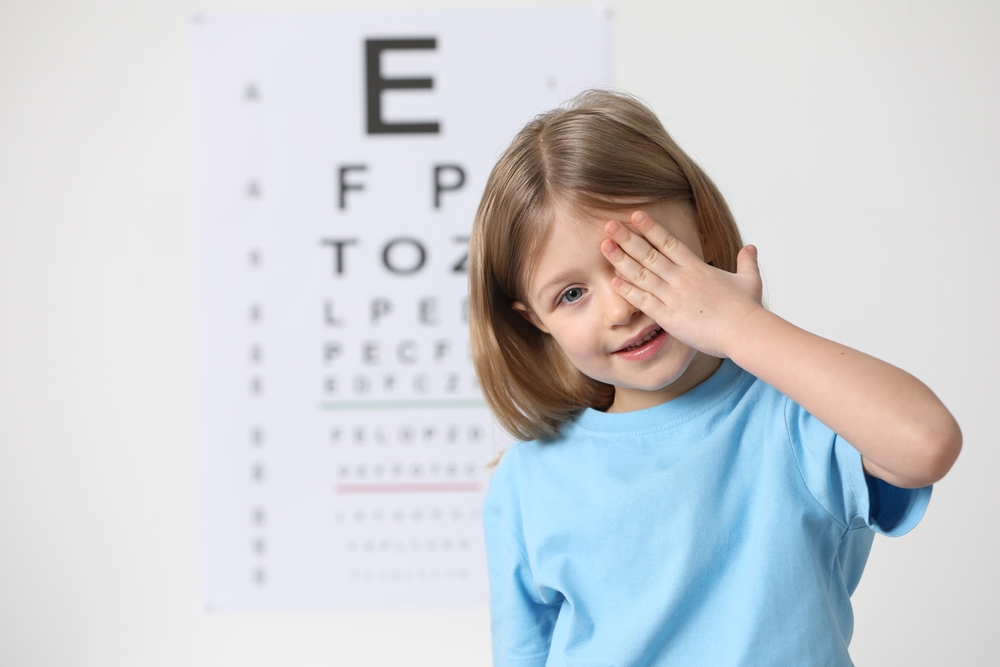
Myopia, also known as nearsightedness, is a common vision condition where nearby objects appear clear, but distant objects look blurry.
Myopia often begins during childhood and can become stronger as the eyes continue to grow. Myopia management and myopia control treatments in Brampton and Orangeville can help slow myopia progression and support long-term eye health.
1. What Is Myopia? | Brampton & Orangeville Eye Care
Myopia occurs when the eye is too long or its focusing power is too strong. Instead of light focusing directly on the retina, it focuses in front of the retina, causing distant objects to appear blurry.
Common Signs of Myopia in Children
Children may not realize they have blurry vision. Parents in Brampton and Orangeville should watch for:
Squinting to see distant objects
Sitting close to the TV or computer
Moving closer to the classroom board
Holding books or screens very close
Difficulty seeing road signs
Headaches or eye strain
Blurry distance vision
Difficulty seeing clearly at night
A comprehensive eye examination can determine whether your child has myopia and whether their prescription is changing.
2. What Causes Myopia?
Myopia can develop from a combination of genetics, eye growth, and environmental factors.
Factors that may increase the risk of myopia include:
One or both parents having myopia
Developing myopia at a young age
Prolonged close-up work
Extended screen use
Limited outdoor time
Rapid eye growth during childhood
Why Is Myopia Management Important?
Myopia can become stronger as a child's eyes continue to grow. Higher levels of myopia can also increase the risk of certain eye conditions later in life.
The goal of myopia management is not just to provide clearer vision. It is to help slow myopia progression and support your child's long-term eye health.
3. Myopia Treatment & Myopia Control in Brampton & Orangeville
Regular glasses and contact lenses can correct blurry vision, but specialized treatments may help slow the progression of myopia.
Depending on your child's age, prescription, and rate of progression, options may include:
Specially designed spectacle lenses can provide clear vision while helping slow myopia progression in children.
Specialized contact lenses, including multifocal or dual-focus designs, may help slow myopia progression in appropriate patients.
Ortho-K uses specially designed contact lenses worn overnight. They temporarily reshape the cornea, allowing clearer vision during the day without glasses.
Ortho-K may also help slow myopia progression in appropriate patients.
Low-dose atropine eye drops may be recommended for some children to help slow myopia progression. An eye care professional can determine whether this treatment is appropriate.
Lifestyle habits can also be an important part of myopia management.
Encourage children to:
Spend regular time outdoors
Take breaks from screens and close-up work
Avoid holding reading material extremely close
Take regular breaks during prolonged near work
4. Myopia Assessment for Children in Brampton & Orangeville
If your child's prescription is increasing or you notice signs of nearsightedness, a myopia assessment in Brampton or Orangeville can help determine the best approach.
At Inspire Vision Development Centre, we provide comprehensive eye examinations and personalized myopia control and myopia management for children and families.
Our goal is to help children see clearly today while taking steps to slow myopia progression and support long-term eye health.
5. Myopia Care at Inspire Vision Development Centre | Brampton & Orangeville
We proudly serve families looking for myopia management, myopia control, and children's eye care in Brampton and Orangeville.
126 Inspire Blvd Unit #2
Brampton, ON L6R 3X8
310 Broadway Ave.
Orangeville, ON L9W 1L3
If you are concerned about your child's vision or notice an increasing prescription, schedule a comprehensive eye examination in Brampton or Orangeville and ask about myopia management options.


© 2026 Inspire Vision Development Centre. All Rights Reserved. Accessibility Statement - Privacy Policy - Sitemap
