
Vision Standards for Police and Firefighters

The roles of police officers and firefighters demand more than physical strength and courage—they require exceptional vision to ensure safety and effectiveness in high-pressure situations.
At Inspire Vision Development Centre, we provide comprehensive vision exams tailored to meet the specific requirements of emergency service professionals in Ontario.
Why Vision is Crucial for Police and Firefighters
Police officers and firefighters often work in environments that test their visual capabilities. From reading fine print in low light to detecting subtle changes in a fast-paced scene, clear and reliable vision is essential. Poor vision can lead to delayed reactions, misjudgments, and compromised safety in critical moments.
Our vision exams are designed to ensure that emergency service professionals meet the rigorous visual standards required to excel in their roles.
Vision Standards for Police Officers
Ontario police services require candidates to meet specific visual benchmarks. These include:
Uncorrected Visual Acuity: Minimum 20/40 in both eyes without corrective lenses.
Corrected Visual Acuity: Achieve 20/20 in both eyes with glasses or contact lenses.
Visual Field: Full, unimpaired peripheral vision.
Color Vision: The ability to distinguish colors accurately, is essential for interpreting signals and identifying vehicles.
Additional Assessments: Depth perception, night vision, and glare recovery to prepare for various operational conditions.
Meeting these standards ensures that officers can perform tasks such as identifying suspects, reading license plates, and navigating complex environments efficiently.
Vision Standards for Firefighters
Firefighting is a physically and visually demanding profession. Candidates must comply with the National Fire Protection Association (NFPA) directives, which include:
Uncorrected Visual Acuity: Minimum 20/30 in both eyes without corrective lenses.
Visual Field: Full peripheral vision to detect hazards and navigate emergency scenes.
Color Vision: Ability to distinguish colors for recognizing safety signals and equipment.
Ocular Health: No conditions that could impair visual performance under high-stress scenarios.
These requirements ensure firefighters can safely assess environments, identify dangers, and respond effectively in emergencies.
What to Expect During Your Vision Exam
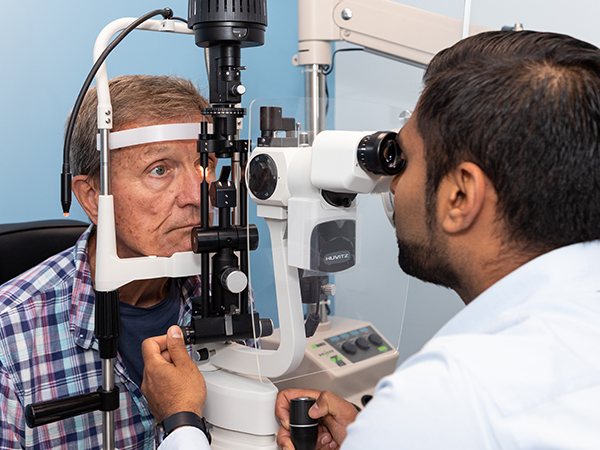
At Inspire Vision Development Centre, we provide a thorough examination process to ensure all vision standards are met. Our assessments include:
Visual Acuity Testing: Measures clarity of vision for both near and far distances.
Peripheral Vision Assessment: Evaluates the range of vision to ensure no impairments.
Depth Perception Test: Determines the ability to judge distances accurately, crucial in emergency scenarios.
Color Vision Test: Confirms the ability to distinguish colors accurately for effective communication and signal recognition.
Night Vision and Glare Recovery Tests: Assesses the ability to see in low-light conditions and recover quickly from bright light exposure.
Benefits of Meeting Vision Standards
For emergency service professionals, meeting vision requirements provides several critical advantages:
Enhanced Safety: Clear vision reduces the risk of errors in fast-moving, high-stakes situations.
Improved Performance: Reliable vision allows for quicker reactions and better decision-making.
Career Advancement: Passing vision assessments is a key step in joining and progressing within police or firefighting services.
Preparing for Your Vision Exam
To ensure a smooth and efficient process, follow these tips before your appointment:
Bring your current prescription glasses or contact lenses, if applicable.
Have a list of any medications you’re taking that might affect your vision.
Be prepared to discuss any recent changes in your vision or overall health.

© 2026 Inspire Vision Development Centre. All Rights Reserved. Accessibility Statement - Privacy Policy - Sitemap
