
Vision Therapy for Traumatic Brain Injuries: A Path to Recovery After Head Injuries
Head injuries may cause a range of challenges, some of which may be related to vision. Symptoms can include double vision, blurriness, trouble tracking moving objects, or vision loss. A medical and eye-care evaluation can identify the cause and whether targeted visual rehabilitation may be appropriate. Sudden vision loss, worsening headache, repeated vomiting, or new neurological symptoms after a head injury require urgent medical attention.
Neuro-optometric rehabilitation uses an individualized plan to address diagnosed visual problems, such as difficulties with eye coordination or focusing. Some patients may find daily visual tasks more comfortable with appropriate treatment, but results vary. It is one part of coordinated brain-injury care and does not guarantee recovery, improved reading comprehension, or safe driving.
If you or a loved one has sustained a head or brain injury, contact Inspire Vision Development Centre to schedule a functional visual evaluation in Orangeville or Brampton.
How Can Brain Injuries Impact Vision?
A brain injury due to a head injury can lead to a variety of symptoms, impacting everything from cognitive functions to physical abilities. Particularly, TBIs can disturb the way the brain handles visual input, leading to several distinct visual symptoms:
Blurred Vision
This common symptom makes it hard to see details clearly. Blurred vision can interfere with daily activities and challenging tasks like reading or recognizing faces.
Sensitivity to Light
Also known as photophobia, light sensitivity can make bright environments uncomfortable. Discuss lighting adjustments and other symptom-management strategies with your clinician rather than relying on dark glasses indoors for prolonged periods.
Difficulty Coordinating Eye Movements
This issue can manifest as trouble tracking moving objects or aligning the eyes correctly. It affects the ability to focus on specific tasks and significantly impacts reading and balance.
Dizziness
The disruption in the visual system can confuse the brain's interpretation of visual information, resulting in symptoms like dizziness, as the brain struggles to reconcile conflicting sensory inputs from the eyes and the vestibular system in the inner ear, which helps control balance.
These symptoms can be especially troubling in everyday life and work. It is important to seek the proper attention if you have suffered a brain injury of any kind. Early intervention can lead to better outcomes.
The Role of Neuro-Optometric Visual Rehabilitation in Recovering From a Brain Injury
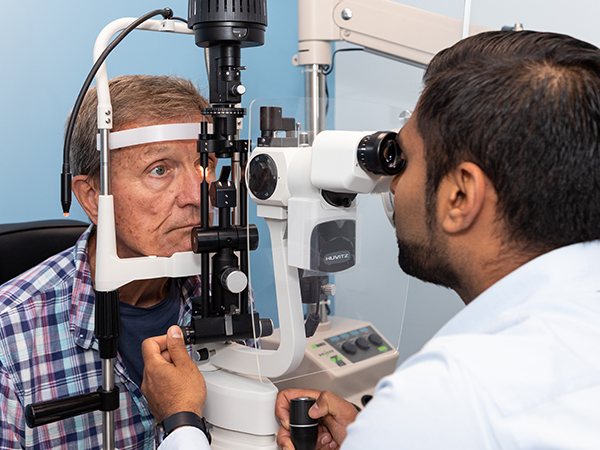
Vision rehabilitation begins with an assessment of eye health, focusing, alignment, and eye movements. When a specific problem is identified, a clinician may recommend targeted exercises, optical correction, changes to visual tasks, or referral to another rehabilitation professional.
What are the Advantages of Vision Therapy for Traumatic Brain Injuries?
For selected visual conditions, targeted treatment may improve eye coordination, focusing, and comfort during close work. Benefits depend on the diagnosis, and symptoms such as headache or dizziness may also need evaluation by other members of the care team.
Evidence Supporting Vision Rehabilitation
Research supports targeted vergence and accommodative therapy for diagnosed concussion-related convergence insufficiency in selected patients. Evidence is more limited for some other rehabilitation techniques and claimed benefits. Ask your provider which findings support the recommended treatment for your particular visual problem.
Costs and Insurance Coverage for Vision Rehabilitation
Insurance coverage varies by plan, diagnosis, and treatment. Before starting, request an estimate and ask your insurer about eligibility, documentation, limits, and any preauthorization requirements.
Choosing the Right Vision Therapy Center
When seeking care for visual symptoms after a brain injury, choose a licensed provider with relevant experience. Ask how your visual condition will be assessed, what treatment is recommended, and how the provider will coordinate with your medical or rehabilitation team.
To make the most of your vision rehabilitation, it is important to establish achievable goals together with your Inspire Vision Development Centre vision therapist. This will help you to monitor your progress and adjust your treatment plan accordingly. Open communication with your eye doctor is also crucial, as this will help you understand your treatment plan and ask any questions or concerns.
Your clinician should explain the expected benefits, limitations, and alternatives for each recommended treatment. Review progress together and adjust the plan when needed.
Taking the First Step: Schedule an Appointment with Inspire Vision Development Centre
If you have suffered a head injury and are experiencing difficulty with your vision, seek medical and eye-care assessment. In Ontario, accident-benefit coverage depends on individual circumstances. The Motor Vehicle Accident Claims Fund may assist eligible people when no automobile insurance is available; it does not automatically cover everyone injured in a crash.
Visual challenges after a traumatic brain injury deserve an individualized approach. At Inspire Vision Development Centre, we can assess visual symptoms and discuss whether targeted rehabilitation may be suitable as part of your recovery plan. Contact us to learn about our services in Orangeville and Brampton.
Depending on your assessment, care may include prescribed eye-coordination or focusing activities and practical adjustments to daily visual tasks. Treatment should address identified deficits, with realistic goals and regular reassessment.
Contact Inspire Vision Development Centre to arrange an evaluation for persistent visual symptoms after a head injury. Our team can discuss your findings, explain appropriate options, and help coordinate care with your other clinicians.


© 2026 Inspire Vision Development Centre. All Rights Reserved. Accessibility Statement - Privacy Policy - Sitemap
