
Ocular Surface Disease (Dry Eye Syndrome)
Typically Dry Eye symptoms happen when the eyes do not produce enough tears or their tears evaporate too quickly. Tears are important because they keep the eyes comfortable, clear, and healthy. Not all dry eyes are the same, so treating the right type is the key to getting relief. Treatments may include artificial tears, eyelid hygiene, warm compresses, in-office treatments, and prescription medications.
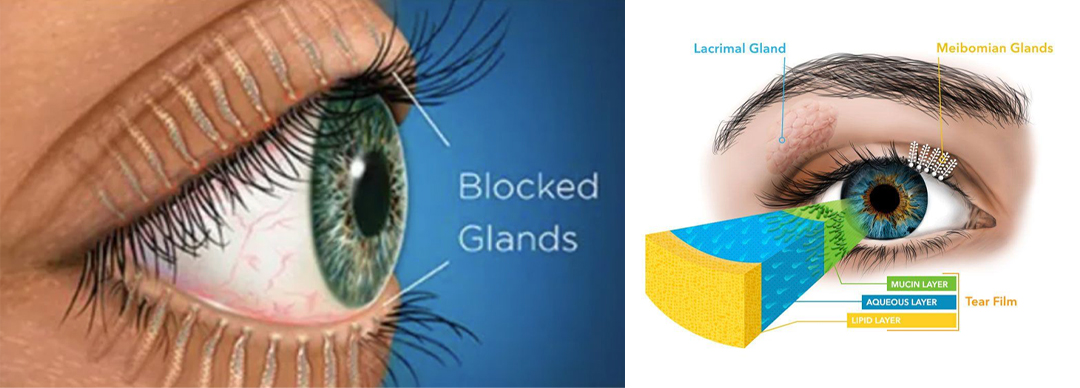
Main Types of Dry Eye:
1. Evaporative Dry Eye (Most Common)
- Is when the oil layer of the tears is not sufficient or working properly, so the tears evaporate too quickly
- Common causes: aging, blocked oil glands in the eyelids, inflammation, and too much screen time
- Symptoms: fluctuating vision, burning or stinging, redness, and eyes feel tired (especially on screens)
2. Aqueous Deficient Dry Eye
- Is when there is a reduced function of tear glands, so the eyes do not produce enough tears
- Sometimes linked to medical conditions such as sjodgrens
- Symptoms: dry, scratchy feeling, redness, and sensitivity to light
3. Mixed Dry Eye (Very Common)
- Is the combination of Evaporative Dry Eye and Aqueous Deficient Dry Eye
- Treatments often target multiple causes
4. Inflammatory Dry Eye
- Inflammation on the surface of the eye can make the dry eye worse and harder to treat of it is not addressed
- Symptoms: sensitivity, redness, and burning
5. Nerve-Related (Neuropathic) Dry Eye
- Is when the nerves in the eyes are not sending normal signals
- May feel discomfort even if the eyes do not look dry during the exam
As stated above, dry eye is a complex and chronic condition that requires a thorough assessment by our doctors to create a treatment plan that would treat symptoms of dry eyes.
Treatments Include:
- Warm Compresses: Applying a warm microwavable heat mask on the eyelids daily to melt the thickened oil glands.
- Lid Scrubs/Hygiene: Using specialized cleansers or baby shampoo to clean the eyelids.
- Meibomian Gland Expression: Our doctors physically clear the blocked oil from the glands.
- Advanced Procedures: Jett Plasma treatment, Intense Pulsed Light (IPL), LipiFlow (thermal pulsation), or radiofrequency (RF) to unblock glands.
- Medicated Drops/Ointments: Oral antibiotic pills (azithromycin, doxycycline) or anti-inflammatory drops (Restasis, Lifitegrast) or steroid drops.
What Makes Dry Eyes Worse?
- Aging: Risk increases with age.
- Hormonal Changes: Common in women due to hormonal shifts (menopause).
- Demodex Mites: Infestation of mites and bacteria can cause inflammation and gland blockages.
- Lifestyle Habits: Excessive screen time reduces blinking, and poor eyelid hygiene (makeup residue) can cause inflammation and gland blockages.
- Environmental Factors: Dry, windy climates or low humidity (air conditioning).
- Medications: Certain medications, such as accutane, can increase risk.
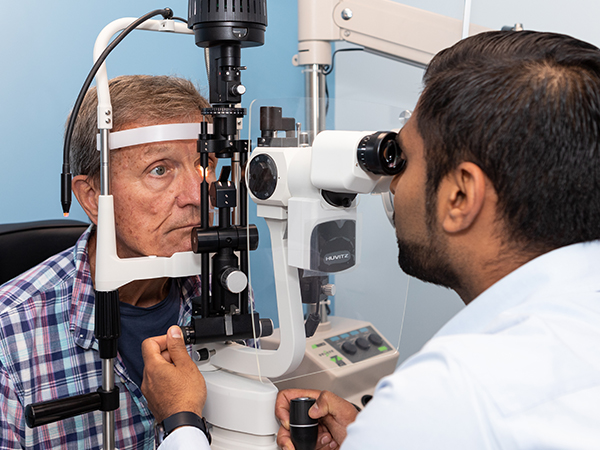
At our clinic, we conduct comprehensive dry eye evaluations using the latest technology to determine the cause and treatment plan to relieve our patients from dry eye symptoms.
Call our clinic to schedule your comprehensive dry eye evaluation and get relief from red, itchy, watery, and burning eyes.


© 2026 Inspire Vision Development Centre. All Rights Reserved. Accessibility Statement - Privacy Policy - Sitemap
