
Why Comprehensive Eye Exams Are Vital for More Than Just Vision

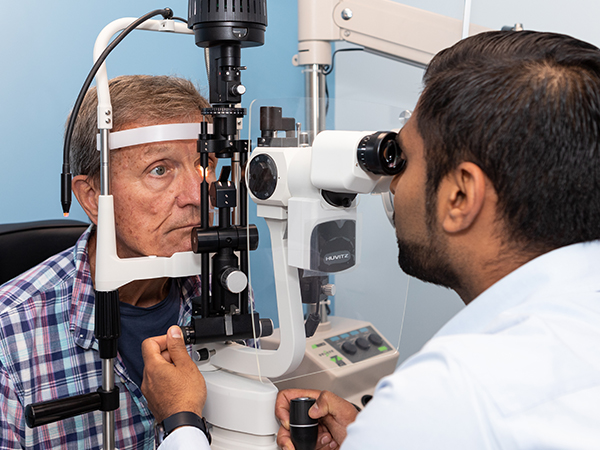
Routine eye exams do more than just check how clearly you see—they’re a key part of your overall health strategy. Our eyes offer a unique glimpse into the body's internal health, often revealing early signs of serious conditions. During a comprehensive eye exam, optometrists can detect much more than vision problems—they can uncover early indicators of allergies, nutritional deficiencies, allergies, liver issues, autoimmune diseases,high blood pressure, diabetes, cancer, dementia, stroke, and heart disease.
Allergies
Redness, itchiness, or watery eyes may be signs of seasonal or chronic allergies. Optometrists can spot these during an eye exam and help identify potential triggers, offering relief strategies that benefit your eyes—and your comfort.
Nutrition Deficiencies
What you eat directly impacts your vision. A lack of essential nutrients can lead to symptoms like blurry vision or dry eyes. Eye exams can reveal these deficiencies, and optometrists can recommend dietary changes or supplements to support healthier, clearer vision.
Liver Health
A yellow tint in the whites of your eyes can point to liver dysfunction. Eye exams can detect this subtle change, prompting further medical evaluation to catch liver problems early.
Autoimmune Conditions
Autoimmune diseases like lupus or Sjögren’s syndrome often affect the eyes first, showing up as chronic dryness or inflammation. Early signs detected during an eye exam can lead to quicker diagnosis and better disease management.
High Blood Pressure
Elevated blood pressure can damage the delicate blood vessels in the eyes. Regular exams can catch these changes, helping to prevent more serious cardiovascular events through early treatment.
Diabetes & Eye Health
Diabetic retinopathy, caused by high blood sugar levels, can lead to vision loss if left untreated. For people with diabetes, consistent eye exams are essential to monitor and protect their vision.
Cancer Detection
Some forms of cancer—including those that originate in or spread to the eye—can be detected during a routine eye exam. Catching cancer early dramatically improves the chance of successful treatment.
Early Signs of Dementia
Changes in the retina, such as amyloid plaque buildup, may signal early stages of dementia. Optometrists trained to notice these subtle shifts can help initiate early intervention and care.
Heart Disease & Stroke Risk
Eye exams can reveal changes in retinal blood vessels that signal a higher risk for stroke or heart disease. These signs can be critical in prompting lifestyle changes or further testing to reduce risk.
The Bottom Line:
Your eyes are more than the windows to your soul—they’re also windows into your health. Regular, comprehensive eye exams can safeguard not just your vision but your entire well-being.

© 2026 Inspire Vision Development Centre. All Rights Reserved. Accessibility Statement - Privacy Policy - Sitemap
